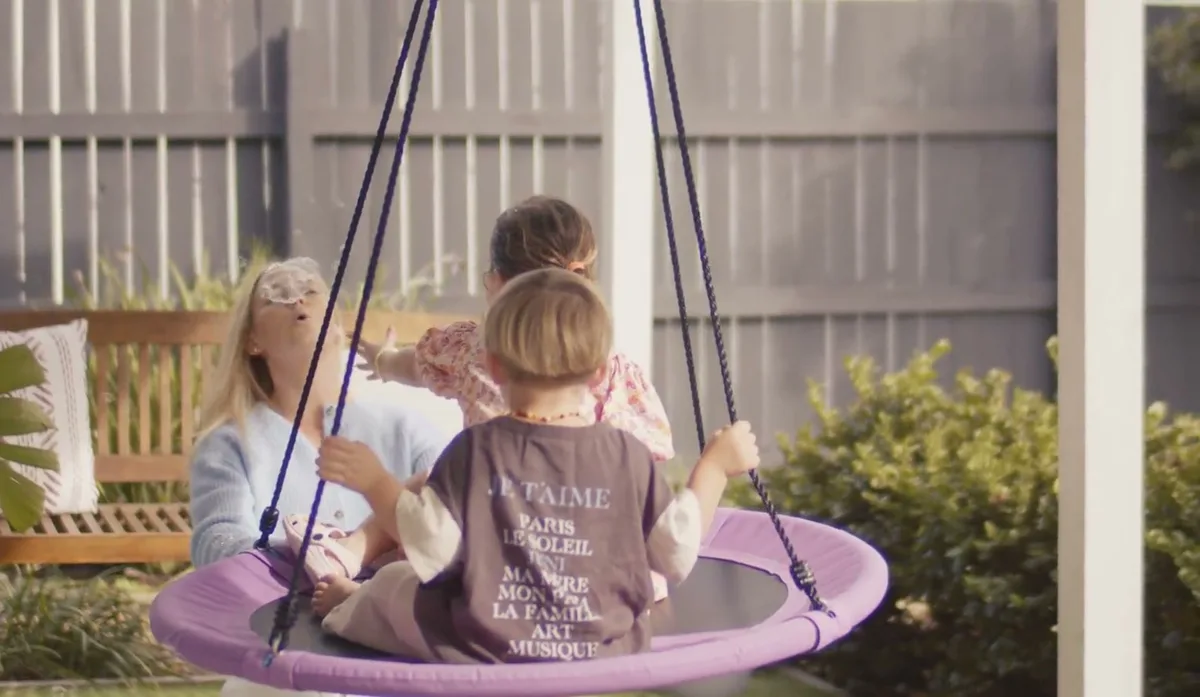
Movement in paediatric OT is never random. To the untrained eye, it looks like unstructured play. To a clinician, every jump, spin and crawl is a precise neurological intervention. Regulation occurs through movement: it acts as a primary tool for the nervous system to process stress, discharge excess fight-or-flight energy and return to a grounded, attentive state. As always on this blog, this is education, not advice about your specific child.
The brain's natural foundation: primitive reflexes
Primitive reflexes are automatic, involuntary movement patterns controlled by the brainstem. Present in utero and infancy, they serve to aid survival and facilitate initial motor development. Under typical conditions, as higher brain regions mature, these automatic reflexes are naturally inhibited, or integrated. They lay down the basic neural pathways for voluntary, complex motor control.
What happens when reflexes remain retained?
If a child skips critical movement stages or experiences developmental delays, these reflexes can remain retained. A retained primitive reflex means the lower central nervous system continues to operate on infant-level automatic responses, acting like a structural roadblock in neurological development. When reflexes remain active, the child must exert immense conscious effort just to maintain posture or focus. This is energy that should be available for academic, social and emotional growth.
How we use movement for integration
At Wild Springs Therapy, our OT sessions focus on targeted, purposeful movement to provide the brain with a second chance to integrate these patterns. Through neuroplasticity, repeated sensory-motor activities allow higher brain centres to assume control over primitive pathways.
Signs Your Child May Have Retained Neonatal (Primitive) Reflexes
The signs below are some of the common reasons families come to us for an assessment. Every one of them can have other explanations, so please read this as a conversation starter rather than a checklist to diagnose with. Noticing a few of these is a reason to be curious, not a conclusion.
Motor
- Poor balance
- Struggles with coordination
- Physically timid
- Tense muscle tone
- Weak head control
- Poor posture
- W-sitting
- Toe walking
- Poor hand-eye coordination
- Poor handwriting
Emotional
- Mood swings
- Anxious
- Phobias
- Chronic fears
- Avoids social situations
Sensory
- Sensitive to light
- Sensitive to sound
- Sensitive to foods (picky eater)
- Hates tags or tight clothes around the waist
- Chews or sucks on clothes, pencils and toys
Auditory
- Can't filter background noise
- Asks "huh?" or "what?" all the time
- Has trouble following multiple instructions
- Blurts comments not related to the topic
- Adds or subtracts letters in words while reading
Behaviour
- Fight or flight mode
- Lacks focus and attention
- Impulsive
- Aggressive
- Poor transition skills
- Appears "lazy" or unmotivated
- Disorganised and forgetful
- Shows signs of ADHD
- Fidgety
- Known as a "close talker"
Visual
- Challenges with tracking
- Visual perception issues
- Can't read the chalkboard
- Can't read black print on white paper
- Eyes jump or jiggle
- Visual insecurity
- Difficulty reading
- Disorientation when reading
- Shows signs of dyslexia
- Can't read word to word, sentence to sentence
Where to from here
If you recognised your child in a few of these signs, that is a conversation worth having, not a conclusion to reach on your own. An occupational therapy assessment looks at the whole picture, the child, the family and the day-to-day, before anything else. Book a consult whenever you are ready and we will work it out together.